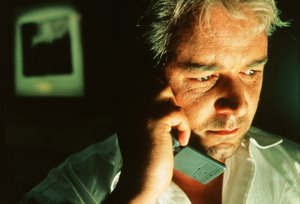
Mark Isham (The Black Dahlia)
 Nathan Johnson (Brick)
 Clint Mansell and Mogwai (The Fountain)
 tomandandy (The Hills Have Eyes)
 Nick Cave and Warren Ellis (The Proposition)
Click the images to listen to excerpts! If it works...
Mark Isham (The Black Dahlia)Nathan Johnson (Brick)Clint Mansell and Mogwai (The Fountain)tomandandy (The Hills Have Eyes)Nick Cave and Warren Ellis (The Proposition)
Inland Empire
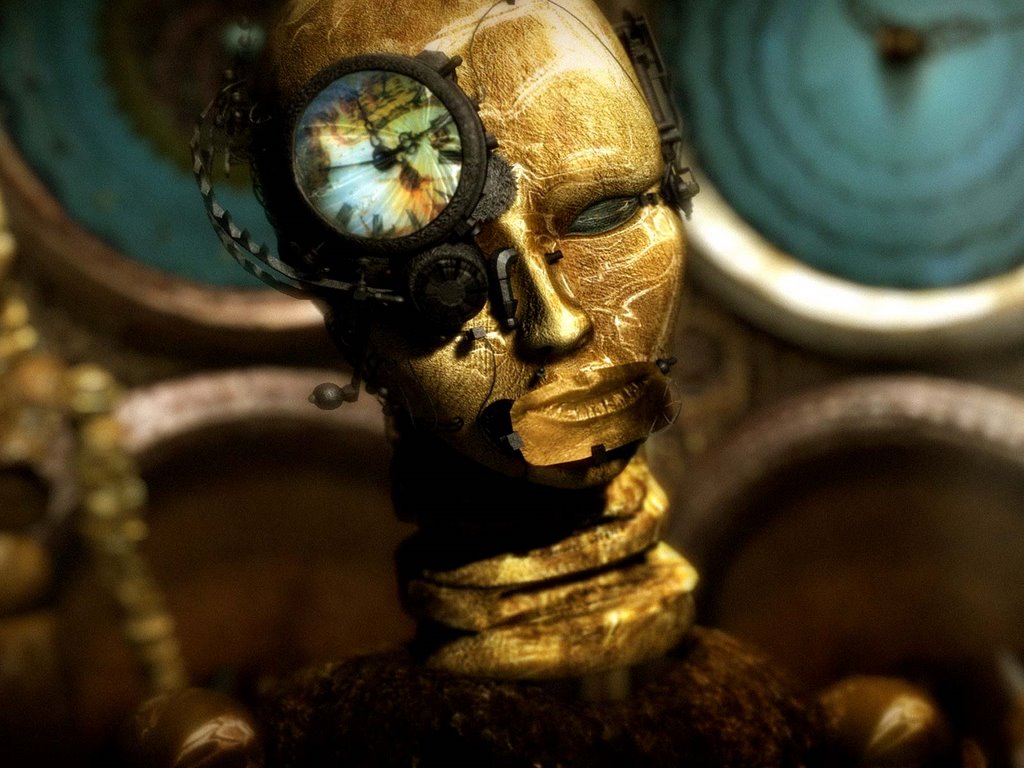
The Fountain
Miami Vice
Monster House
United 93

Patricia Field (The Devil Wears Prada)
Nancy Steiner (Little Miss Sunshine)
Robert Lever (MirrorMask)
Catherine Marie Thomas (A Prairie Home Companion)
Margot Wilson (The Proposition)
 First sort out that mullet, then we'll tackle the cartels
Teresa Mastropierro (Forty Shades of Blue)
Not the first thing you might single out for celebration in this beautifully acted character piece, but I found the sets — from Torn and Korzun’s chilly, MC Escher-like Memphis pad, to the dilapidated manse where they attend a garden party as the relationship’s crumbling — astonishingly apt and memorably furnished.
James Chinlund (The Fountain)
Dave McKean and crew (MirrorMask)
The design for this film kicks all known ass, and though there’s a fair bit of animation, the digital effects actually impress less than the surrounding collage of sets, painted backgrounds and bric-a-brac props, not to mention a wonderful half-real circus, and the haunting choice of the grimly palatial Embassy Court in Brighton (now renovated, I gather) as the heroine’s home turf.
Ed Verreaux (Monster House)
Responsible — along with the reliably raspy Kathleen Turner — for one of the year’s best characters: The House, which from attic to basement had a marvellously forlorn aspect and vicious, groaning, cackling personality bursting out from under its floorboards.
 Borat: well-edited, but doesn't cut the crap


 I'm still turning The Fountain over. I like it. I like Hugh Jackman in it. I like the movie's swooning ambition, the tactile ways it teleports itself through the centuries. I admire the feverish quality of its overlapping certainties, and the ways Aronofsky wants to both conjure and unlock some essential mysteries here.

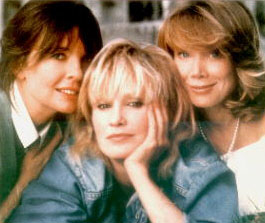 Don't ask me why I bothered — well, OK, blame a pile of ironing — but does anyone else think this film plays like a batty parody of early Tennessee Williams? I do declare...
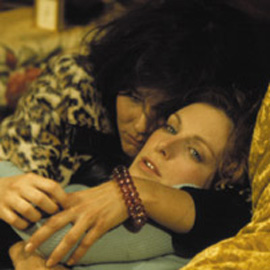 A shout-out once again to StinkyLulu, the web hostess with the mostest and our monthly go-to-gal for debating the issues that really matter. In this case it's who deserved Best Supporting Actress in 1974, when by unanimous consensus Ingrid Bergman pulled a Zellweger and defeated four better rival performances than her own (in the stuffy and smug Murder on the Orient Express). By no one's reckoning was it a great year for the category — co-smackdowner Nick thinks it might even have been the worst ever — but I differ in having enjoyed the comic va-va-voom Madeline Kahn injects into the otherwise rancid Blazing Saddles, the blowzy vitality of Diane Ladd as a harassed diner waitress in Scorsese's Alice Doesn't Live Here Anymore, and the touching, flavourful work of Valentina Cortese (the overall favourite) as a diva crumbling on set in Truffaut's faintly disappointing film-about-filming Day for Night. Plus, I was the only one who had much time for Talia Shire in The Godfather, Part II, debate about whom still rages in the comments below. Do you hate her or rate her? Post away. Mention has been made of the unnominated, as ever: Karen Black, who I dimly remember being marooned and miscast like almost everyone in The Great Gatsby, Kahn and the hysterical Cloris Leachman in Young Frankenstein, and, my personal picks, the even more memorable double-act of stay-at-home girlfriends Ann Prentiss and Gwen Welles in Altman's fantastic California Split. (Pic above, and a tip: Altmaniacs wanting to commemorate his passing in some way could do a lot worse than tracking down this underappreciated flick. I think it's one of his very best.) Next month: 1975, and another one.
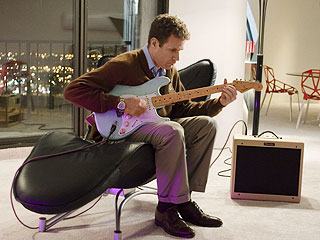


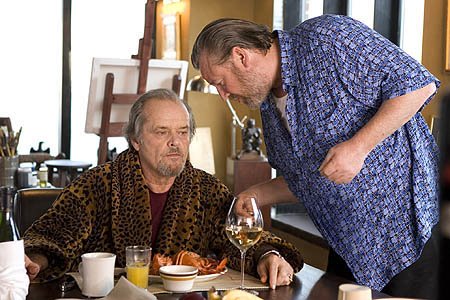 Read more than a handful of the glowing reviews for Scorsese’s latest and you may detect — beneath the rote praise for Thelma Schoonmaker’s slightly uncertain editing, the justified plaudits for what DiCaprio’s doing, and a whole load of starstruck raving about one of the least disciplined performances of Jack Nicholson’s career — a heavy sigh of relief. He’s pulled it off, is the implication: the movie’s no masterpiece, but it works.

 Sorry for all these scrappy posts. Just switched on the TV and caught the last act of Jonathan Mostow's Breakdown by accident. It's some while since I last saw it, but I maintain that, scene for scene, it's the best Hitchcockian thriller of the last ten years. Anyone with me on that? Anyone not seen it? I wish Mostow had stayed down and dirty rather than graduating to the big league with U-571 and T3. Hear he's remaking Frankenheimer's Seconds next, which might be interesting...



 Emmanuelle Béart (Strayed)
 Nichola Burley (Love + Hate)
 David Auburn (The Lake House)
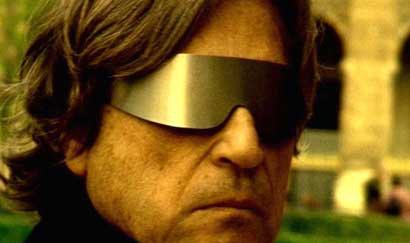 Dion Beebe (Miami Vice)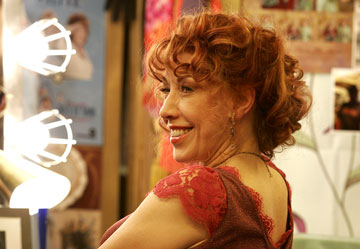
 Curious George
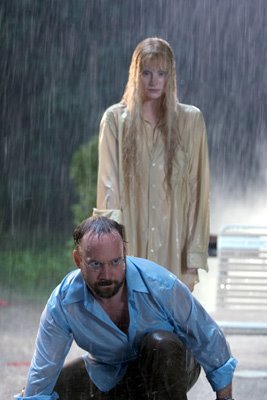 The Da Vinci Code D—

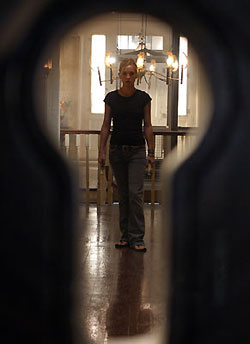 On a side note, more, soon, if I ever get round to a long review, on why even Kate Hudson's bearable in Iain Softley's rather overlooked Louisiana spook story The Skeleton Key, why the same movie has the best use of Gena Rowlands in donkey's years, and how it stands out in the dubious oeuvre of twist-fond screenwriter Ehren Kruger (Reindeer Games, The Ring) for being tightly ingenious, satisfyingly grim, and surprisingly witty on a second viewing. Well worth a rental folks.

 I suppose I could just pick up David Thomson, but my favourite way to get an instantly accessible overview of a director's career tends to be courtesy of all those people — many of them apparently half-mad, but bless — who cast their votes on the Internet Movie Database. Clicking "sort by ratings" — which gives you a ranked list of any director/actor/craftsperson's complete output according to each film's average mark out of ten — is admittedly a fairly tragic activity, but then so is treating the ticking off of movies as a life goal (guilty) and collecting football cards (not guilty) and any number of other male, listy things, so leave me alone.
 Still, for all March's contained virtuosity, his caginess, his staunchly untheatrical self-pity, there was another performance which, if not technically its equal perhaps, struck me as in many ways even more impressive in terms of its centrality to the film's impact. I'm talking about Harold Russell, who plays double amputee Homer Parrish. Wyler lavishes his best work on the character right from the beginning, as do cinematographer Gregg Toland and (in one of his finest scores) composer Hugo Friedhofer, all enfolding him in a spellbindingly expressive moment of wordless vulnerability as he wakes up on his flight home and gazes out fearfully and almost beseechingly at the clouds.
  In between bouts of intense work on this book (a DVD guide, on which more later) it's been 1940s cinema a-go-go around here, what with all those 1942 supporting actresses to watch and a couple of key Ingrid Bergman movies I've only just got round to catching. I'm not sure Hitchcock's Spellbound (1945) actually deserves to be called key, though its star acquits herself relatively well given the barmy compound of dime-store Freudianism and Surrealist chic she finds herself sifting through. Ponderously organised, slick and faddish, it's a David O. Selznick movie with occasional flashes of creepy Hitchcock wit, but it's disappointing to watch a director who only the following year, in the wonderful Notorious, would sail so blissfully through a bonkers plot making such heavy weather of the gimmickry here: the puzzle-box layering of the Gregory Peck character, in particular, strikes me as virtually unactable, though square and wooden he can manage. I'm not at all sure that the first five, remarkably prolific years Hitchcock spent in Hollywood — from Rebecca through to this, scoring him his first three Best Director nominations — aren't actually his least interesting from any period: the double threat of Selznick and WWII seemed to stifle his sense of humour, I'm not even that crazy about Shadow of a Doubt (1943), and several of the others (Suspicion, Saboteur, Lifeboat) are workmanlike and impersonal in ways that dull the edge of their promising concepts.